
Blog
29.05.2025
How AquaRech is Revolutionising Fish Farming in Kenya
By Dave Okech

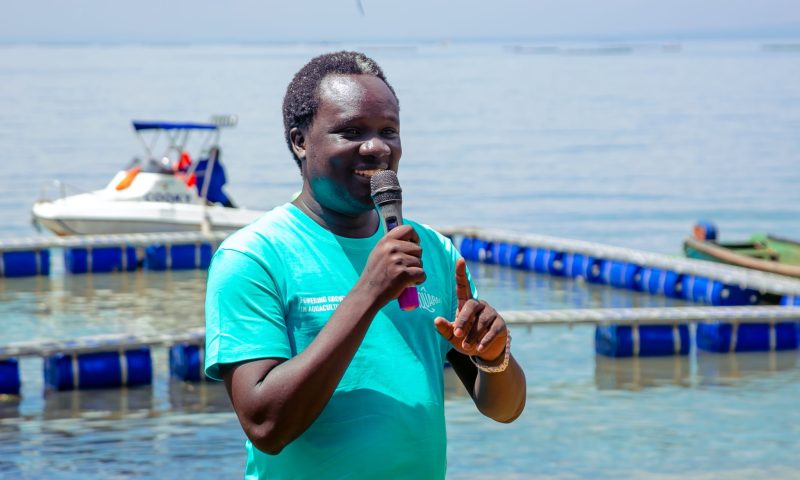
Aquarech is a Kenyan aquaculture technology company founded by social entrepreneur and Aquaculture Fellow, Dave Okech. It provides an end-to-end digital platform that connects small- and medium-scale fish farmers to quality fish feed, training, markets, and finance.
At its core is the AquaRech App, which helps farmers access affordable, high-quality inputs, track their production, and sell fish more efficiently. Aquarech also uses a contract farming model, supplies modern fish cage infrastructure, and partners with financial institutions to offer innovative credit products like AquaFedha , Africa’s first dedicated aquaculture loan product.
Dave is on a mission to transform small‑scale fish farming into an inclusive, ecosystem‑wide movement. His journey, shaped in part by the African Food Fellowship, offers powerful insights into what it takes to lead meaningful change across a complex landscape.
Here is his story.
In what ways has the African Food Fellowship helped you lead change in food systems more effectively since you joined? (What new forms of leadership practices, actions, or attitudes have emerged?)
“The African Food Fellowship has transformed how I lead Aquarech, shifting my perspective from operating within a linear value chain to engaging within a broader, interconnected ecosystem. It has equipped me to build synergies, think long-term, and position Aquarech to create system-wide impact. The focus is on convening, dialogue, and engaging diverse partners.
Transforming the aquaculture sector requires deep, ongoing multi-stakeholder collaboration. There is no silver bullet. I’ve learned to build authentic relationships by meeting people where they are, rather than where I wish them to be. Bringing together government, farmers, millers, and off-takers is key. Success depends on these relationships. I now approach challenges with soft skills, storytelling, and bridge-building. For example, when seeking bank investment, I work collaboratively to overcome systemic barriers, such as the fish feed financing gap, by facilitating direct interaction between bankers and farmers.
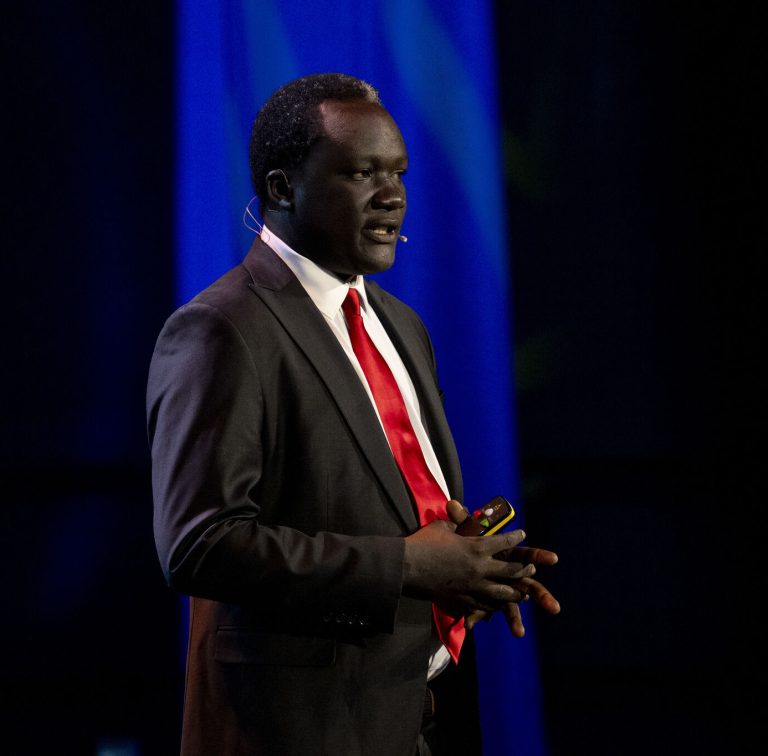
The Fellowship has honed my ability to understand the aquaculture system’s dynamics and engage stakeholders effectively. Even three years after graduating, I continue to benefit from the Fellowship network. The recent Kenya Network Gathering (April 2025) was a rare and invaluable opportunity to connect with like-minded professionals committed to transforming Kenya’s food systems. Leading can be tough and lonely; these human and professional connections matter deeply.
While I always knew my professional goals, the Fellowship clarified the ‘how.’ Tools like Systemcraft helped me navigate complex challenges and understand the ecosystem, enabling me to overcome barriers more strategically.
A key milestone has been the launch of AquaFedha, Africa’s first dedicated credit finance product for small- and medium-sized fish farmers, developed in collaboration with Equity Bank and TechnoServe. Prior to this, I pioneered lending fish feed on credit, repaid with fish, overcoming the “no collateral, no loan” barrier through demonstrated trust and results. And I’m happy to report that there have been no defaults over the past 18-24 months. This practical proof helped break down cautious financial institutions’ barriers.
Visitors often ask why I don’t just focus on selling fish feed. The Fellowship taught me that in Africa, food system challenges require diverse approaches. Understanding the interplay of actors and dynamics demands pushing on multiple fronts, building durable partnerships, and supporting farmers to thrive. If the farmers burn out, my business will too.”
What practical and positive change, small or big, in food systems are you most proud of contributing towards since joining the Fellowship?
“Building partnerships has been central to my achievements. The Fellowship taught me the importance of connecting and collaborating for systemic change. Here are three key examples:
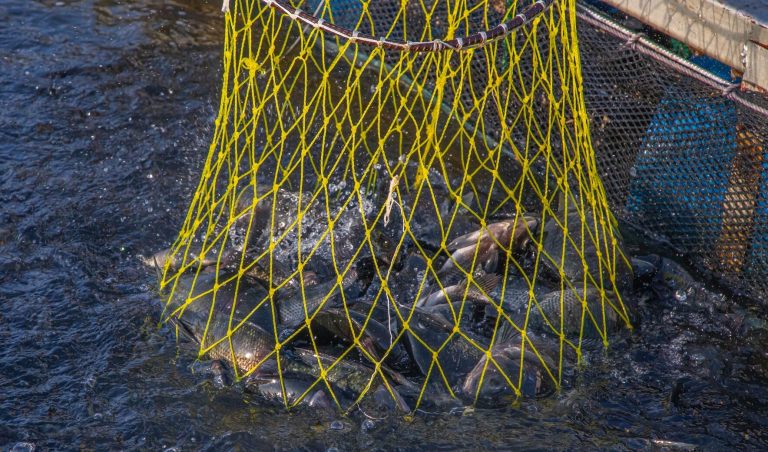
- We are launching Kenya’s largest fish hatchery in June 2025, incubating 4 million fingerlings monthly. Aquarech has revived defunct hatcheries, including those owned by national and county governments, creating jobs and enhancing food security.
- AquaFedha’s launch rests on two critical partnerships: with African Food Fellow, Monica Githige of TechnoServe, whose expertise has been invaluable, and with the Commercial Bank of Kenya. Convincing the bank involved showing them Aquarech’s work firsthand and demonstrating a viable business model through deep partnerships with farmers.
- I am preparing to announce a bold, nationally significant partnership related to fish feed next year.
The Fellowship’s tools and peer mentorship have been vital to designing these multi-stakeholder initiatives effectively. The network brings together people I respect who are driving real action and cross-sector collaboration in food systems.”
Where does this work go from here? What is the potential future impact?
“I anticipate that, by 2031, these efforts will add 25,000 metric tons of fish annually to Kenya’s production. This year alone, we expect to produce about 1,000 tonnes of fish, and we aim to grow that to 5,000 tonnes next year as more farmers join the programme. Investors are engaged and ready to scale financing based on this data.
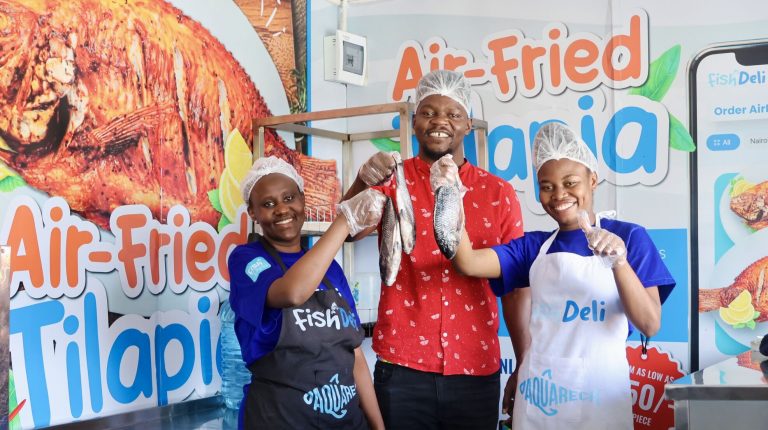
The economic impact is significant: about 8,000 direct jobs will be created across fish trading, feed supply, net repairs, transport, and more. Feed demand will reach roughly 30,000 metric tonnes, benefiting thousands of crop farmers supplying inputs like soybeans and maize. Aquarech anticipates growing from 89 to 500 employees within five to six years.
I’m passionate about empowering women in the sector and eliminating exploitative “sex for fish” practices. By enabling electronic fish trading via ID and phone, we can reduce middlemen, enhance safety, and create a level playing field.
Environmentally, we’re transitioning to modern HDP cages, phasing out rusting metal ones. Each cage supports about 10 farmers, and we aim to contract 1,000 cages (10,000 farmers) within the next six months, improving incomes by approximately US$1,000 monthly per farmer.
Supporting smallholder farmers is essential. They dominate African agriculture and must thrive for the sector to succeed. Contract farming fosters this balance. The Fellowship ingrained in me the mindset that my success depends on the success of others in the ecosystem. I apply this lesson daily.”
Dave is showing what’s possible when smallholder farmers are at the centre of aquaculture innovation. His work is shifting the system one partnership, one farmer, one tonne of fish at a time.
